John Robertson
Winger • 1970–1983, 1985–1986
For many Forest supporters, Robertson is simply the greatest player the club has produced. He was the creative force in Clough and Taylor’s finest side: brilliant one-on-one, capable of slowing a game down and then changing it with one touch.
He supplied Trevor Francis’s winner in the 1979 European Cup final, then scored the winner himself against Hamburg a year later. His influence on Forest’s greatest years is almost impossible to overstate.
[heading]Did you know?[/heading]
Robertson was on the transfer list when Brian Clough arrived. Clough and Taylor turned a player who could have left the club into the central attacking figure of Forest’s greatest era.

Trevor Francis
Forward • 1979–1981
Francis arrived with enormous attention as Britain’s first £1 million footballer, but his Forest career is remembered for one moment above all others.
His diving header against Malmö in Munich won Forest their first European Cup in 1979. For a player carrying such a huge transfer fee, there could hardly have been a better way to justify it.
[heading]Did you know?[/heading]
Brian Clough famously tried to take the pressure off Francis by insisting the fee was £999,999 rather than £1 million. In reality, the total cost was higher once taxes and commission were included.

Peter Shilton
Goalkeeper • 1977–1982
Shilton joined Forest just after promotion and immediately gave Clough one of the finest goalkeepers in Europe.
His first season ended with the league title and League Cup, followed by successive European Cups. His presence behind the defence was fundamental to a side built on organisation, confidence and giving very little away.
[heading]Did you know?[/heading]
Forest conceded only 24 league goals in 42 matches during the 1977/78 title season — an extraordinary defensive record for a newly promoted side.

John McGovern
Midfielder • 1974–1982
McGovern was rarely the flashiest player in the team, but Clough trusted him completely. He kept Forest balanced, moved the ball intelligently and captained the side through the greatest period in the club’s history.
He was there before the First Division title, through both European Cup triumphs and throughout Forest’s transformation from Second Division outsiders into one of Europe’s best teams.
[heading]Did you know?[/heading]
McGovern captained Forest in both European Cup finals, so he was the man who actually lifted the trophy in Munich and again in Madrid.

Stuart Pearce
Defender • 1985–1997
Few players have represented Forest with more intensity than Stuart Pearce. Fierce in the tackle, dangerous from free-kicks and completely committed, he became captain and one of the defining figures of the late Clough era.
He stayed long enough to bridge two very different Forest periods, from Wembley cup runs under Clough to the successful Frank Clark side of the mid-1990s.
[heading]Did you know?[/heading]
Pearce continued working as an electrician for a time after turning professional, such was the uncertainty of his early football career.
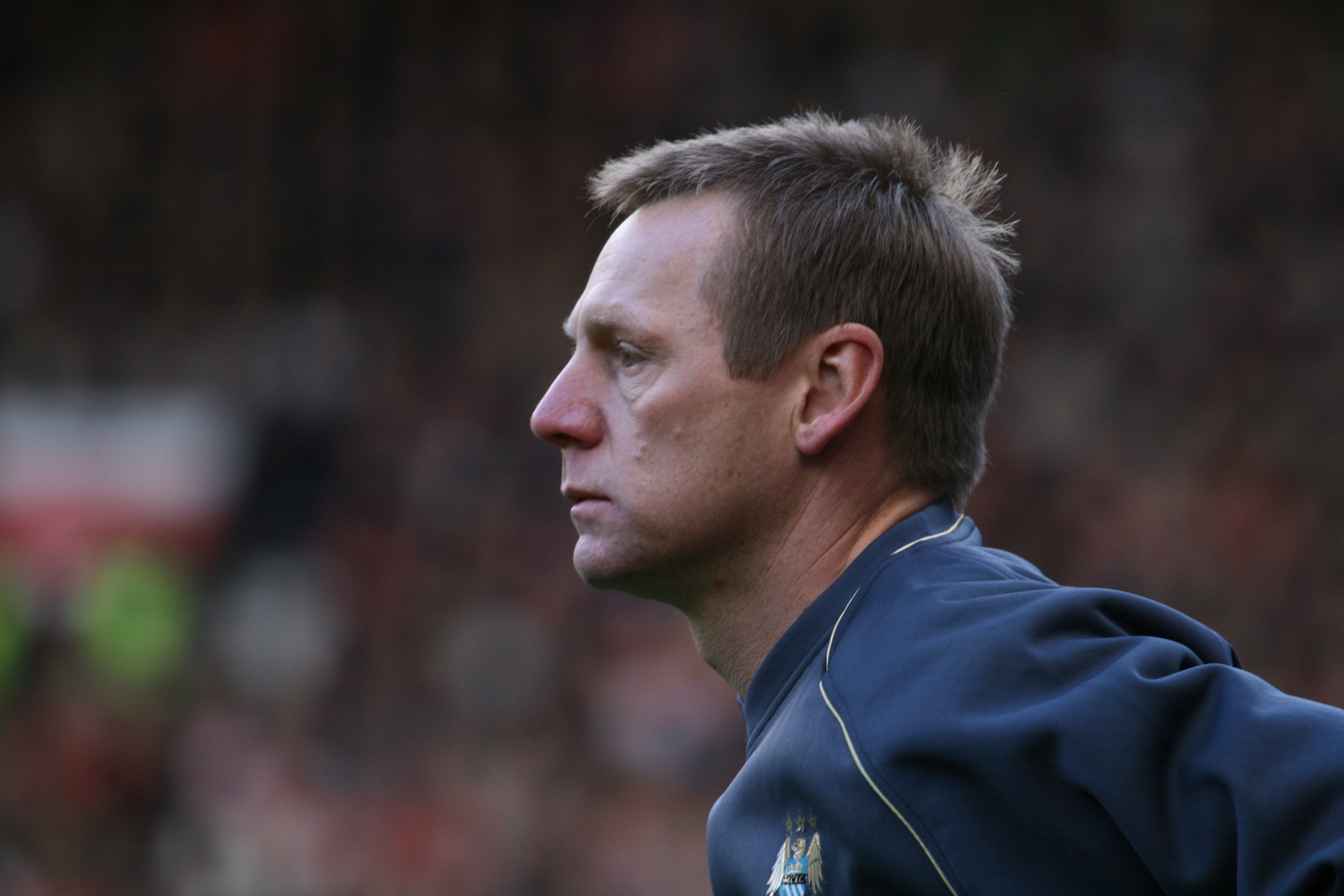
Viv Anderson
Defender • 1974–1984
Born in Clifton, Anderson came through at Forest and developed into one of the outstanding full-backs of his generation.
He won the league title and both European Cups with the club, while his pace and attacking instincts made him unusually modern for a defender of the era.
[heading]Did you know?[/heading]
On 29 November 1978, Anderson became the first Black player to represent England’s senior men’s team, making his debut against Czechoslovakia at Wembley.

Garry Birtles
Forward • 1976–1980, 1982–1987
Birtles’ rise was pure Forest. Signed from non-league Long Eaton United, he went from part-time football to leading the attack of a side winning the biggest trophy in Europe.
He was quick, direct and relentless, giving Clough exactly the kind of striker who could stretch teams and work without the ball.
[heading]Did you know?[/heading]
Birtles was still playing non-league football when Forest signed him. Within a few years he had started European Cup finals.
Stan Collymore
Forward • 1993–1995
Collymore was only at Forest for two seasons, but at his best he was devastating.
His combination of pace, power and shooting made him the focal point of Frank Clark’s side, helping Forest win promotion and then finish third in the Premier League in 1994/95.
[heading]Did you know?[/heading]
Liverpool paid a club-record £8.5 million to sign Collymore from Forest in 1995. At the time, it was one of the biggest transfers in British football.
Kenny Burns
Defender • 1977–1981
Burns arrived with a reputation as a hard, aggressive centre-forward. Clough saw something different and converted him into a centre-back.
The result was one of the great positional reinventions in Forest history. Burns became a commanding presence in the title-winning side and both European Cup triumphs.
[heading]Did you know?[/heading]
Burns was named the Football Writers’ Association Footballer of the Year in 1978 — during his first season at Forest.
Nigel Clough
Forward • 1984–1993, 1996–1997
Being Brian Clough’s son meant scrutiny was unavoidable, but Nigel built a major Forest career on his own merits.
Intelligent, technically excellent and capable of playing as both scorer and creator, he was central to the cup-winning sides of the late 1980s and early 1990s.
[heading]Did you know?[/heading]
Nigel scored more than 100 competitive goals for Forest, making him one of the club’s most prolific post-war players.

Des Walker
Defender • 1984–1992, 2002–2004
At his peak, Walker was one of the quickest central defenders in Europe. His recovery pace allowed Forest to defend aggressively because even when opponents appeared to be through, Walker often caught them.
He became an England regular, played at the 1990 World Cup and later returned to Forest more than a decade after leaving.
[heading]Did you know?[/heading]
Across more than 400 competitive Forest appearances, Walker scored just one goal. For a player so dominant at one end of the pitch, scoring was almost completely absent from his game.

Bob McKinlay
Defender • 1951–1969
McKinlay is the great durability figure in Forest history.
A commanding centre-half and one-club man, he was part of the 1959 FA Cup-winning side and remained at Forest for nearly two decades. His longevity still sets the standard.
[heading]Did you know?[/heading]
McKinlay remains Forest’s record appearance holder with 688 competitive matches.

Ian Bowyer
Midfielder • 1973–1981, 1982–1986
Bowyer connects the pre-Clough Forest side with the European champions better than almost anyone.
He was already at the club when Clough arrived, survived the transformation, became a crucial member of the title-winning team and stayed long enough to accumulate more than 500 appearances.
[heading]Did you know?[/heading]
Bowyer made 566 competitive appearances for Forest — second only to Bob McKinlay in the club’s all-time appearance list.
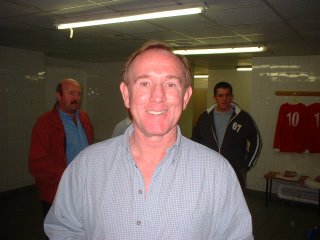
Larry Lloyd
Defender • 1976–1981
Lloyd was exactly the sort of player Clough could revive. He arrived after successful years at Liverpool but with his reputation no longer at its peak.
At Forest he became the uncompromising centre-half at the heart of a side that won the league title and two European Cups.
[heading]Did you know?[/heading]
Before joining Forest, Lloyd had already won both the league title and UEFA Cup with Liverpool. He therefore became a European trophy winner with two different English clubs.
Archie Gemmill
Midfielder • 1977–1979
Gemmill was only at Forest for a relatively short spell, but he was crucial during the explosion of success that followed promotion.
Clever, competitive and technically strong, he added experience to the midfield and helped Forest win the league title in their first season back in the First Division.
[heading]Did you know?[/heading]
Gemmill was one of several players whose careers were revitalised by Clough. He arrived at Forest in his thirties and immediately became part of a championship-winning midfield.
Martin O’Neill
Midfielder • 1971–1981
O’Neill was at Forest before Brian Clough and remained long enough to become part of the club’s greatest side.
Energetic, intelligent and tactically reliable, he played through promotion, the league championship and the European years, giving Forest continuity across a period of extraordinary change.
[heading]Did you know?[/heading]
O’Neill was one of the players Clough inherited rather than signed, developing from a member of the Second Division squad into a European Cup winner.

Chris Cohen
Midfielder • 2007–2018
Cohen represents a completely different Forest era from the European champions, which is precisely why he belongs here.
He arrived while Forest were in League One, became captain and remained one of the club’s most respected players through years of Championship frustration. His technique and work rate made him a supporter favourite, while repeated serious injuries made his longevity remarkable.
[heading]Did you know?[/heading]
Cohen spent 11 years at Forest despite a career repeatedly interrupted by major knee injuries. Every comeback strengthened the bond between him and the supporters.

Grenville Morris
Forward • 1898–1913
More than a century later, nobody has scored more goals for Nottingham Forest than Grenville Morris.
The Welsh inside-forward joined Forest at the end of the nineteenth century and became the club’s dominant goalscorer across the Edwardian era, combining prolific club form with an international career for Wales.
[heading]Did you know?[/heading]
Morris remains Forest’s all-time leading scorer with 217 goals — a record that has survived for well over a century.
Sam Weller Widdowson
Forward • Victorian era
Widdowson belongs to the period when organised football was still developing its rules, equipment and identity.
A Forest player, England international, Nottinghamshire cricketer and later club chairman, he was far more than just an early footballer.
[heading]Did you know?[/heading]
Widdowson is credited with inventing football shin pads in 1874. He cut down cricket pads and strapped them outside his stockings; players initially laughed at the idea, but shin guards eventually became compulsory equipment.
Tinsley Lindley
Forward • 1880s–1890s
Lindley was one of the great forwards of Victorian football and one of Forest’s first genuine stars.
A Nottingham-born amateur, he was renowned for his goalscoring and represented England repeatedly while maintaining a successful professional career outside football.
[heading]Did you know?[/heading]
Lindley scored 14 goals in only 13 England appearances. He also reportedly scored a hat-trick on his Forest debut at just 16 and famously preferred ordinary walking shoes to conventional football boots.